
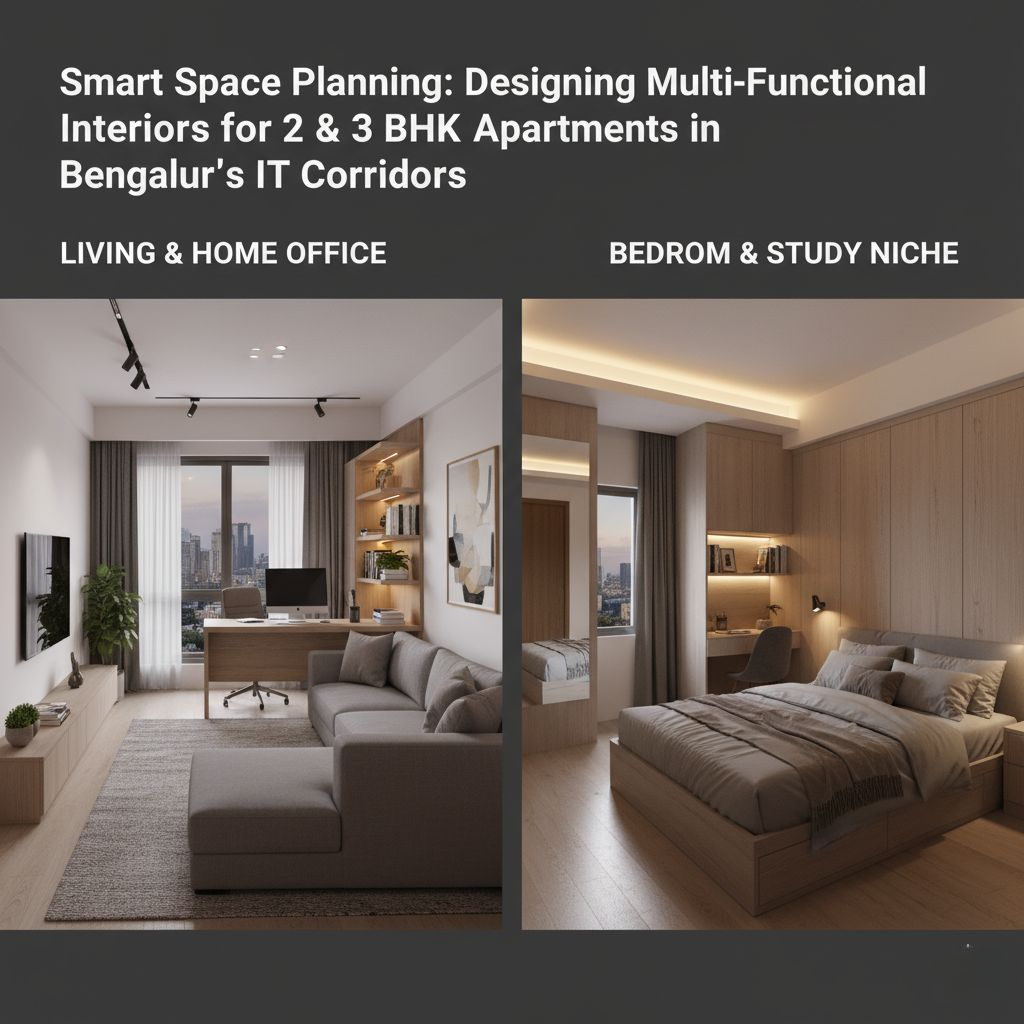
Smart Space Planning: Designing Multi-Functional Interiors for 2 & 3 BHK Apartments in Bengaluru’s IT Corridors
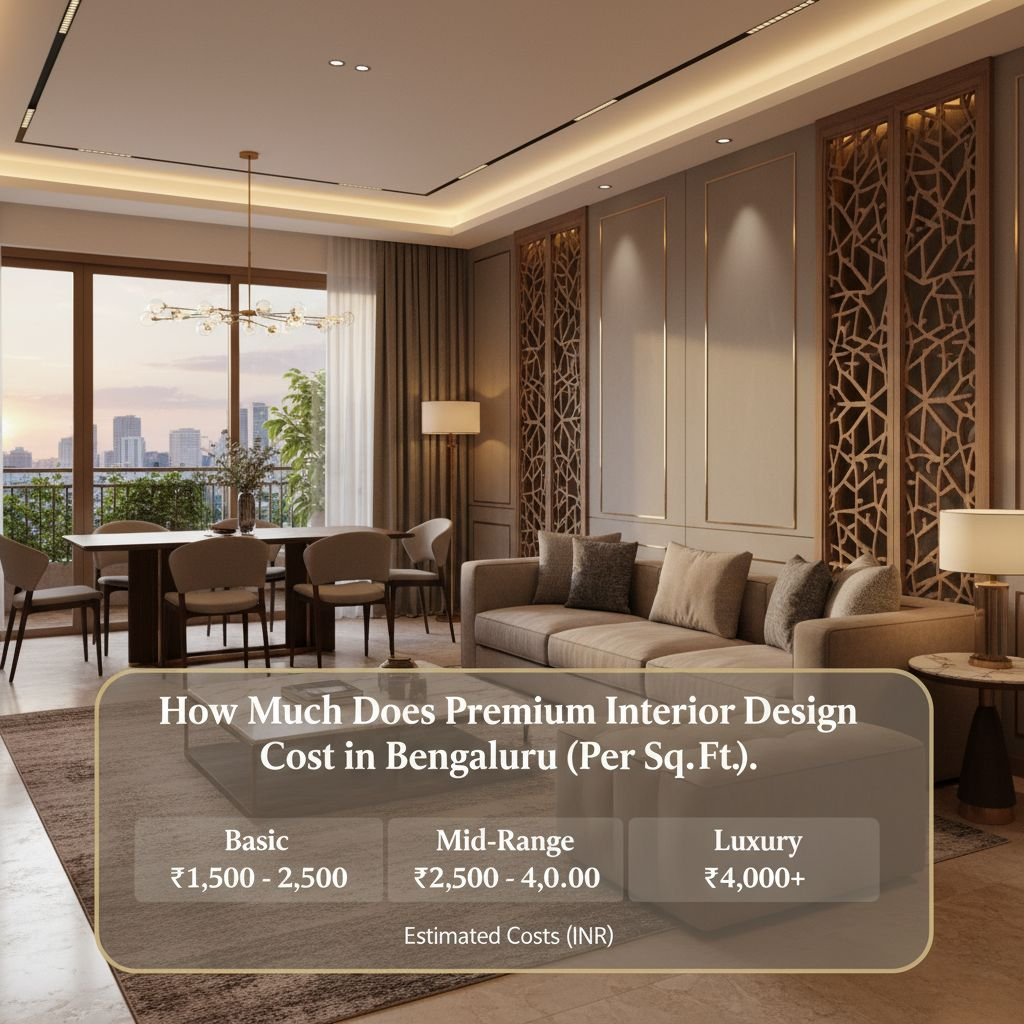
Smart Space Planning: Designing Multi-Functional Interiors for 2 & 3 BHK Apartments in Bengaluru’s IT Corridors Smart Space Planning Bengaluru’s IT corridors—stretching across Whitefield, Electronic City, Sarjapur Road, and Outer Ring Road—are home to a new generation of urban homeowners. Most residents are tech professionals who prefer apartments close to their workplaces, balancing convenience with a modern lifestyle. However, as apartment sizes shrink and expectations rise, homeowners are realizing that every square foot must be designed intelligently. That’s where smart space planning and multi-functional interiors redefine apartment living. These designs go beyond aesthetics to create homes that adapt to changing needs—combining comfort, efficiency, and flexibility. Imagine a dining area that converts into a workspace, or a guest room that transforms into a home gym. For Bengaluru’s urban crowd, where hybrid work and compact living are the norm, multi-functional design isn’t a luxury—it’s a lifestyle solution. This blog explores the top 2025 design trends, smart materials, local inspirations, and Buildarch’s unique design approach to help you create an apartment that’s efficient, elegant, and future-ready. Why Bengaluru Apartments Need Smart, Multi-Functional Interior Design In 2025, Bengaluru continues to grow as India’s Silicon Valley. Apartments are getting smaller, but lifestyle aspirations are getting bigger. Professionals working from home need flexible layouts that can adapt between productivity and relaxation. Families require modular storage and multi-purpose spaces that keep homes clutter-free yet cozy. Traditional interior design—focused on static rooms—is being replaced by dynamic design strategies that evolve with the homeowner’s needs. For example, a sliding partition can turn an open living room into a private study, while concealed wall beds transform a lounge into a guest room within minutes. Beyond convenience, smart interiors also align with sustainability and energy efficiency—two top priorities for Bengaluru’s eco-conscious residents. From low-maintenance materials to space-optimized lighting and ventilation, multi-functional design addresses comfort, durability, and long-term value in one cohesive concept. Key 2025 Trends in Apartment Interior Design in Bengaluru’s IT Corridors Bengaluru’s 2025 apartment designs blend minimalism, technology, and practicality. Here are the key trends shaping homes this year: 1. Convertible Furniture:Compact apartments benefit from furniture that serves multiple purposes—sofa-cum-beds, extendable dining tables, and collapsible study desks. 2. Open & Flexible Layouts:Walls are being replaced with partitions and sliding doors, making spaces adaptable and airy. Living, dining, and kitchen zones blend seamlessly for better flow. 3. Smart Home Integration:Voice-controlled lighting, app-based AC systems, and automated curtains enhance both functionality and comfort. 4. Vertical Storage & Hidden Units:Designers are maximizing vertical height with floor-to-ceiling wardrobes and hidden storage beneath furniture. 5. Natural Light & Biophilic Design:Skylights, glass doors, and indoor plants bring freshness into city apartments while improving mood and air quality. 6. Sustainable Finishes:Eco-friendly laminates, bamboo flooring, and low-VOC paints ensure a healthier environment. Each of these trends reflects Bengaluru’s evolving design mindset—compact living without compromise. What’s Unique About Apartment Interior Design in Bengaluru? Designing for Bengaluru’s IT corridor apartments means addressing very specific challenges—compact layouts, hybrid work patterns, and climate adaptability. Unlike other metro cities, Bengaluru’s moderate weather allows for natural ventilation and open layouts. The city’s cosmopolitan demographic inspires fusion aesthetics—combining Indian textures with Scandinavian minimalism or Japanese-inspired modular design. Apartments near IT hubs often feature limited carpet areas, so designers focus on multifunctionality, light colors, and integrated smart systems. Another key factor is sound insulation. With more residents working remotely, acoustic comfort has become crucial. From soundproof sliding doors to dual-purpose study corners, interiors now balance productivity and relaxation. The result is a Bengaluru-specific design language—urban, efficient, and tech-savvy, reflecting the spirit of the city’s modern professionals. Smart Materials & Finishes Popular in 2025 The right materials can make a small apartment feel luxurious, durable, and low-maintenance. Here are Bengaluru’s 2025 favorites: Anti-Fingerprint Laminates: Keep modular kitchens and wardrobes spotless even in high-use areas. Quartz & Nano-White Countertops: Elegant, easy-to-clean, and heat-resistant—perfect for compact kitchens. Soft-Touch Acrylics: Add depth and luxury to cabinet surfaces. Engineered Wood Flooring: Offers warmth without warping in humidity. Acoustic Panels: Enhance privacy in hybrid work zones. UPVC & Aluminium Windows: Ideal for noise control in busy IT corridors. These finishes balance style with substance, helping interiors withstand Bengaluru’s humid weather and daily wear. The use of sustainable materials also aligns with the city’s eco-friendly ethos, proving that smart interiors can be both functional and future-conscious. Popular Apartment Localities in Bengaluru Adopting These Trends Bengaluru’s leading apartment clusters showcase how multi-functional interiors are redefining modern living: Whitefield & Kadugodi: Popular among tech professionals; designs focus on convertible furniture and minimal clutter. Sarjapur Road & Bellandur: Family-oriented apartments favor modular storage and multi-zone living areas. Electronic City: Compact yet efficient homes where design makes up for smaller layouts. Thanisandra & Hebbal: Premium apartments integrating automation, hidden storage, and luxury finishes. Outer Ring Road & Marathahalli: High-density localities where efficient design enhances resale value. Each neighborhood reflects a different facet of Bengaluru’s design culture—but the underlying trend remains the same: clever use of space with modern aesthetics. Cost Guide: 2025 Apartment Interior Design in Bengaluru Interior design costs depend on material choices, space complexity, and customization level. Below is a practical 2025 estimate: Basic Interiors: ₹1,500 – ₹2,000/sq.ft (Simple modular furniture, matte finishes, and basic storage) Mid-Range Interiors: ₹2,200 – ₹3,000/sq.ft (Custom wardrobes, quartz counters, and semi-smart lighting) Premium Interiors: ₹3,500 – ₹5,000+/sq.ft (Automation, luxury materials, acoustic zones, and designer finishes) Tip: Smart design is not about spending more—it’s about spending wisely. A modular kitchen with pull-out storage or a bed with hidden drawers can save both space and money over time. Buildarch helps you achieve maximum functionality within your chosen budget, ensuring long-term value. How to Hire the Right Apartment Interior Designer in Bengaluru Choosing the right interior designer ensures your vision translates perfectly to reality. Here’s what to look for: Experience with 2/3 BHK Projects: Designers familiar with apartment layouts deliver practical, space-efficient plans. Local Expertise: Bengaluru-based firms understand the city’s climate, materials, and construction norms. 3D Visualization & Virtual Walkthroughs: Let you see the design before execution. Transparent Costing: Always