Build Arch- Home Interiors in Hennur

Budget House

Eco-Friendly Interiors in Bengaluru: Smart Design, Local Materials & Green Living Ideas
Budget House, House Plan

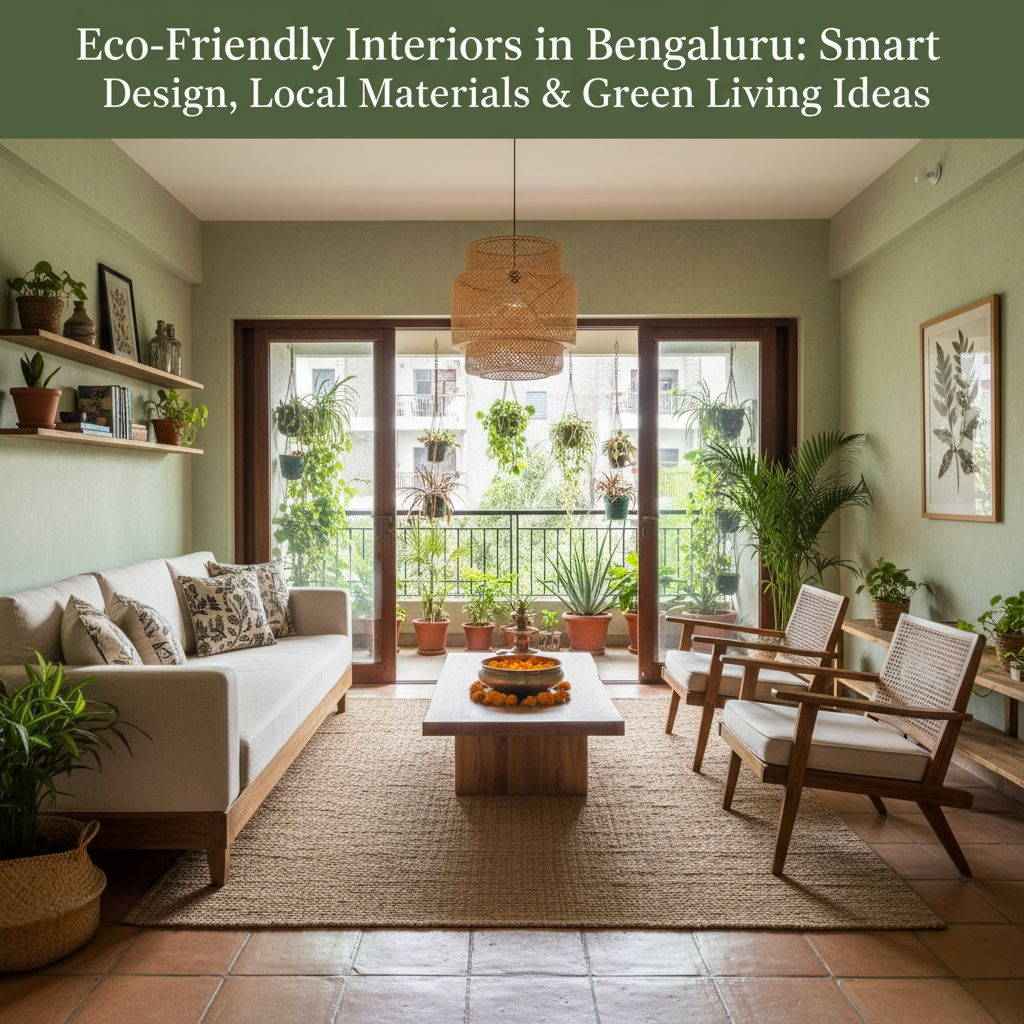
Eco-Friendly Interiors in Bengaluru: Smart Design, Local Materials & Green Living Ideas

Eco-Friendly Interiors in Bengaluru: Smart Design, Local Materials & Green Living Ideas Eco-Friendly Interiors in Bengaluru Eco-Friendly Interiors in Bengaluru are becoming one of the most powerful design choices for homeowners who want modern, stylish, and environmentally conscious homes. As the city continues to grow rapidly, families are looking for ways to reduce energy consumption, improve indoor air quality, and create natural, refreshing living spaces. Eco-Friendly Interiors in Bengaluru combine intelligent planning, natural materials, efficient layouts, and sustainable finishes to produce homes that feel healthier and function more effectively. With the city experiencing warmer temperatures, higher pollution levels, and rising electricity bills, the demand for sustainable home interiors has increased dramatically. Whether someone owns a villa in Sarjapur, an apartment in Whitefield, or an independent house in Jayanagar, they want homes that stay cool naturally, use less artificial lighting, and include materials that last longer with minimal environmental impact. Eco-Friendly Interiors in Bengaluru focus on blending smart design, biophilic elements, and locally sourced materials to create beautiful and responsible homes. This blog explores the latest trends, cost guides, materials, hiring tips, and a real case study from Build Arch to show how eco-friendly design is shaping Bengaluru’s modern lifestyle. Why Bengaluru Homes Need Eco-Friendly Interiors in 2025 Eco-Friendly Interiors in Bengaluru are essential because the city is going through various environmental and lifestyle changes. The increase in concrete structures and reduction in greenery has led to higher indoor temperatures. Most homeowners rely heavily on air conditioners and artificial lighting, which increases electricity bills. Eco-friendly interiors reduce this dependency through natural ventilation, passive cooling materials, and better space planning. Indoor pollution is also a major concern. Many homes use synthetic paints, adhesives, and laminates that release harmful chemicals. Eco-Friendly Interiors in Bengaluru prioritize low-VOC or zero-VOC paints, natural finishes, and breathable materials that enhance indoor air quality. Sustainability is also becoming a priority for new-age buyers. Eco-friendly design creates long-lasting interiors, reduces maintenance, and promotes healthier living. It aligns perfectly with Bengaluru’s culture of innovation, mindfulness, and modern urban living. Key 2025 Trends in Eco-Friendly Interiors in Bengaluru 1. Smart Energy-Efficient Layouts Homeowners are adopting layout planning that maximizes daylight and airflow. Smart lighting systems with motion sensors, zoning controls, and automated dimming are becoming popular. 2. Biophilic Integration Indoor plants, green corners, vertical gardens, and natural textures help create a nature-connected environment. These elements reduce stress and promote wellbeing. 3. Locally Sourced Natural Materials Eco-Friendly Interiors in Bengaluru increasingly feature bamboo, cane, terracotta, local stones, and reclaimed wood because these materials reduce carbon footprint and support artisans. 4. Natural Finishes and Wall Treatments Lime plaster, mud finishes, and zero-VOC paints are widely used for their cooling effect and toxin-free composition. 5. Upcycling and Refurbishing Old furniture is repurposed through polishing, reupholstering, or redesigning, minimizing waste and creating unique interior elements. What’s Unique About Eco-Friendly Interiors in Bengaluru? Eco-Friendly Interiors in Bengaluru stand out because the city’s climate naturally supports sustainable design. The moderate weather allows homes to incorporate cross ventilation and minimize artificial cooling and heating. Many homeowners value earthy aesthetics, making natural materials a preferred choice. The city has a strong community of craftsmen skilled in bamboo furniture, terracotta work, cane weaving, and recycled wood treatments. This local expertise makes eco-friendly interiors more affordable and accessible. Additionally, homeowners in Bengaluru often balance modern lifestyle needs with mindful living. They want interiors that are functional, minimal, long-lasting, and in harmony with nature, making eco-friendly interiors a perfect match. Materials & Finishes Popular in 2025 Bamboo & Cane Lightweight, renewable, and visually appealing, ideal for furniture, wall panels, and décor. Terracotta & Natural Clay Excellent for flooring, wall accents, planters, and tiles. They offer natural cooling and earthy charm. Reclaimed Wood Used for furniture, doors, cabinets, and ceiling rafters. It is sustainable, durable, and adds rustic elegance. Kadappa, Kota & Granite Stone Long-lasting, heat-resistant, and perfect for flooring, countertops, and outdoor spaces. Zero-VOC Paints & Lime Plasters They improve indoor air quality, prevent moisture build-up, and create soft, breathable wall textures. Organic Textiles Cotton, linen, and jute fabrics used in curtains, cushions, rugs, and upholstery for a natural ambiance. Popular Localities in Bengaluru Choosing Eco-Friendly Interiors Eco-Friendly Interiors in Bengaluru are trending across the city, especially in modern and developing zones. Whitefield: Apartments and gated communities focusing on energy-efficient designs. Sarjapur Road: Villas adopting natural materials and biophilic interiors. HSR Layout: Homes integrating plants, natural lighting, and eco-friendly finishes. Indiranagar: Premium homes choosing reclaimed wood and sustainable furniture. Jayanagar & JP Nagar: Independent houses using terracotta, stone, and natural textures. Yelahanka & Devanahalli: Spacious villas adopting eco-smart layouts and solar solutions. Cost Guide 2025: Eco-Friendly Interiors in Bengaluru Costs vary depending on material quality, home size, and customization. Below is an approximate guide: Type of Interior Cost per Sq. Ft. Basic Eco-Friendly Interiors ₹1,800 – ₹2,200 Mid-Level Eco Interiors ₹2,300 – ₹3,200 Premium Eco Interiors ₹3,500 – ₹4,500 Eco-Friendly Villas ₹5,000 – ₹7,000 Costs for Eco-Friendly Interiors in Bengaluru include:✔ Natural materials✔ Eco-friendly finishes✔ Energy-saving layouts✔ Custom woodwork✔ Sustainable décor How to Hire the Right Designer for Eco-Friendly Interiors in Bengaluru Check their experience with sustainable projects. Review their approach to ventilation, daylighting, and passive cooling. Ensure they prioritize natural, non-toxic materials. Ask for transparency in material sourcing and finishing. Review previous eco-friendly projects and client testimonials. Confirm that the designer explains long-term maintenance. FAQ Section What are Eco-Friendly Interiors in Bengaluru? They are interiors designed using natural materials, sustainable finishes, and energy-efficient planning suitable for Bengaluru’s climate. Are Eco-Friendly Interiors in Bengaluru expensive? They can be budget-friendly or premium depending on materials like bamboo, reclaimed wood, clay, and stone. Can apartments use Eco-Friendly Interiors in Bengaluru? Yes. Smart planning and natural materials work perfectly for both apartments and villas. Do Eco-Friendly Interiors in Bengaluru reduce maintenance? Yes, natural materials are durable and require less long-term upkeep. They are interiors designed using natural materials, sustainable finishes, and energy-efficient planning suitable for Bengaluru’s climate. They can be budget-friendly or premium depending
Smart Space Planning: Designing Multi-Functional Interiors for 2 & 3 BHK Apartments in Bengaluru’s IT Corridors
Budget House

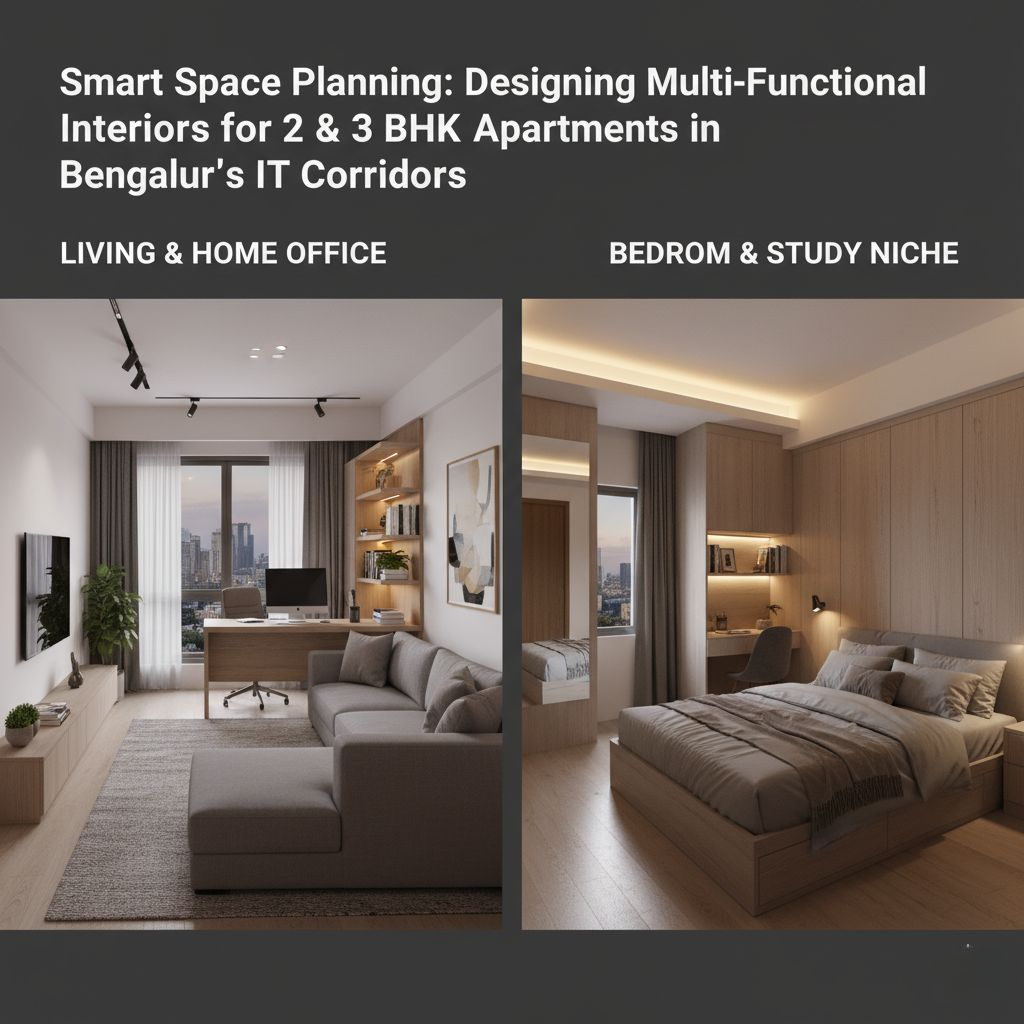
Smart Space Planning: Designing Multi-Functional Interiors for 2 & 3 BHK Apartments in Bengaluru’s IT Corridors

Smart Space Planning: Designing Multi-Functional Interiors for 2 & 3 BHK Apartments in Bengaluru’s IT Corridors Smart Space Planning Bengaluru’s IT corridors—stretching across Whitefield, Electronic City, Sarjapur Road, and Outer Ring Road—are home to a new generation of urban homeowners. Most residents are tech professionals who prefer apartments close to their workplaces, balancing convenience with a modern lifestyle. However, as apartment sizes shrink and expectations rise, homeowners are realizing that every square foot must be designed intelligently. That’s where smart space planning and multi-functional interiors redefine apartment living. These designs go beyond aesthetics to create homes that adapt to changing needs—combining comfort, efficiency, and flexibility. Imagine a dining area that converts into a workspace, or a guest room that transforms into a home gym. For Bengaluru’s urban crowd, where hybrid work and compact living are the norm, multi-functional design isn’t a luxury—it’s a lifestyle solution. This blog explores the top 2025 design trends, smart materials, local inspirations, and Buildarch’s unique design approach to help you create an apartment that’s efficient, elegant, and future-ready. Why Bengaluru Apartments Need Smart, Multi-Functional Interior Design In 2025, Bengaluru continues to grow as India’s Silicon Valley. Apartments are getting smaller, but lifestyle aspirations are getting bigger. Professionals working from home need flexible layouts that can adapt between productivity and relaxation. Families require modular storage and multi-purpose spaces that keep homes clutter-free yet cozy. Traditional interior design—focused on static rooms—is being replaced by dynamic design strategies that evolve with the homeowner’s needs. For example, a sliding partition can turn an open living room into a private study, while concealed wall beds transform a lounge into a guest room within minutes. Beyond convenience, smart interiors also align with sustainability and energy efficiency—two top priorities for Bengaluru’s eco-conscious residents. From low-maintenance materials to space-optimized lighting and ventilation, multi-functional design addresses comfort, durability, and long-term value in one cohesive concept. Key 2025 Trends in Apartment Interior Design in Bengaluru’s IT Corridors Bengaluru’s 2025 apartment designs blend minimalism, technology, and practicality. Here are the key trends shaping homes this year: 1. Convertible Furniture:Compact apartments benefit from furniture that serves multiple purposes—sofa-cum-beds, extendable dining tables, and collapsible study desks. 2. Open & Flexible Layouts:Walls are being replaced with partitions and sliding doors, making spaces adaptable and airy. Living, dining, and kitchen zones blend seamlessly for better flow. 3. Smart Home Integration:Voice-controlled lighting, app-based AC systems, and automated curtains enhance both functionality and comfort. 4. Vertical Storage & Hidden Units:Designers are maximizing vertical height with floor-to-ceiling wardrobes and hidden storage beneath furniture. 5. Natural Light & Biophilic Design:Skylights, glass doors, and indoor plants bring freshness into city apartments while improving mood and air quality. 6. Sustainable Finishes:Eco-friendly laminates, bamboo flooring, and low-VOC paints ensure a healthier environment. Each of these trends reflects Bengaluru’s evolving design mindset—compact living without compromise. What’s Unique About Apartment Interior Design in Bengaluru? Designing for Bengaluru’s IT corridor apartments means addressing very specific challenges—compact layouts, hybrid work patterns, and climate adaptability. Unlike other metro cities, Bengaluru’s moderate weather allows for natural ventilation and open layouts. The city’s cosmopolitan demographic inspires fusion aesthetics—combining Indian textures with Scandinavian minimalism or Japanese-inspired modular design. Apartments near IT hubs often feature limited carpet areas, so designers focus on multifunctionality, light colors, and integrated smart systems. Another key factor is sound insulation. With more residents working remotely, acoustic comfort has become crucial. From soundproof sliding doors to dual-purpose study corners, interiors now balance productivity and relaxation. The result is a Bengaluru-specific design language—urban, efficient, and tech-savvy, reflecting the spirit of the city’s modern professionals. Smart Materials & Finishes Popular in 2025 The right materials can make a small apartment feel luxurious, durable, and low-maintenance. Here are Bengaluru’s 2025 favorites: Anti-Fingerprint Laminates: Keep modular kitchens and wardrobes spotless even in high-use areas. Quartz & Nano-White Countertops: Elegant, easy-to-clean, and heat-resistant—perfect for compact kitchens. Soft-Touch Acrylics: Add depth and luxury to cabinet surfaces. Engineered Wood Flooring: Offers warmth without warping in humidity. Acoustic Panels: Enhance privacy in hybrid work zones. UPVC & Aluminium Windows: Ideal for noise control in busy IT corridors. These finishes balance style with substance, helping interiors withstand Bengaluru’s humid weather and daily wear. The use of sustainable materials also aligns with the city’s eco-friendly ethos, proving that smart interiors can be both functional and future-conscious. Popular Apartment Localities in Bengaluru Adopting These Trends Bengaluru’s leading apartment clusters showcase how multi-functional interiors are redefining modern living: Whitefield & Kadugodi: Popular among tech professionals; designs focus on convertible furniture and minimal clutter. Sarjapur Road & Bellandur: Family-oriented apartments favor modular storage and multi-zone living areas. Electronic City: Compact yet efficient homes where design makes up for smaller layouts. Thanisandra & Hebbal: Premium apartments integrating automation, hidden storage, and luxury finishes. Outer Ring Road & Marathahalli: High-density localities where efficient design enhances resale value. Each neighborhood reflects a different facet of Bengaluru’s design culture—but the underlying trend remains the same: clever use of space with modern aesthetics. Cost Guide: 2025 Apartment Interior Design in Bengaluru Interior design costs depend on material choices, space complexity, and customization level. Below is a practical 2025 estimate: Basic Interiors: ₹1,500 – ₹2,000/sq.ft (Simple modular furniture, matte finishes, and basic storage) Mid-Range Interiors: ₹2,200 – ₹3,000/sq.ft (Custom wardrobes, quartz counters, and semi-smart lighting) Premium Interiors: ₹3,500 – ₹5,000+/sq.ft (Automation, luxury materials, acoustic zones, and designer finishes) Tip: Smart design is not about spending more—it’s about spending wisely. A modular kitchen with pull-out storage or a bed with hidden drawers can save both space and money over time. Buildarch helps you achieve maximum functionality within your chosen budget, ensuring long-term value. How to Hire the Right Apartment Interior Designer in Bengaluru Choosing the right interior designer ensures your vision translates perfectly to reality. Here’s what to look for: Experience with 2/3 BHK Projects: Designers familiar with apartment layouts deliver practical, space-efficient plans. Local Expertise: Bengaluru-based firms understand the city’s climate, materials, and construction norms. 3D Visualization & Virtual Walkthroughs: Let you see the design before execution. Transparent Costing: Always

Smart Material Choices for Bengaluru Interiors: Designing for Durability, Comfort & Style
Budget House

Smart Material Choices for Bengaluru Interiors: Designing for Durability, Comfort & Style

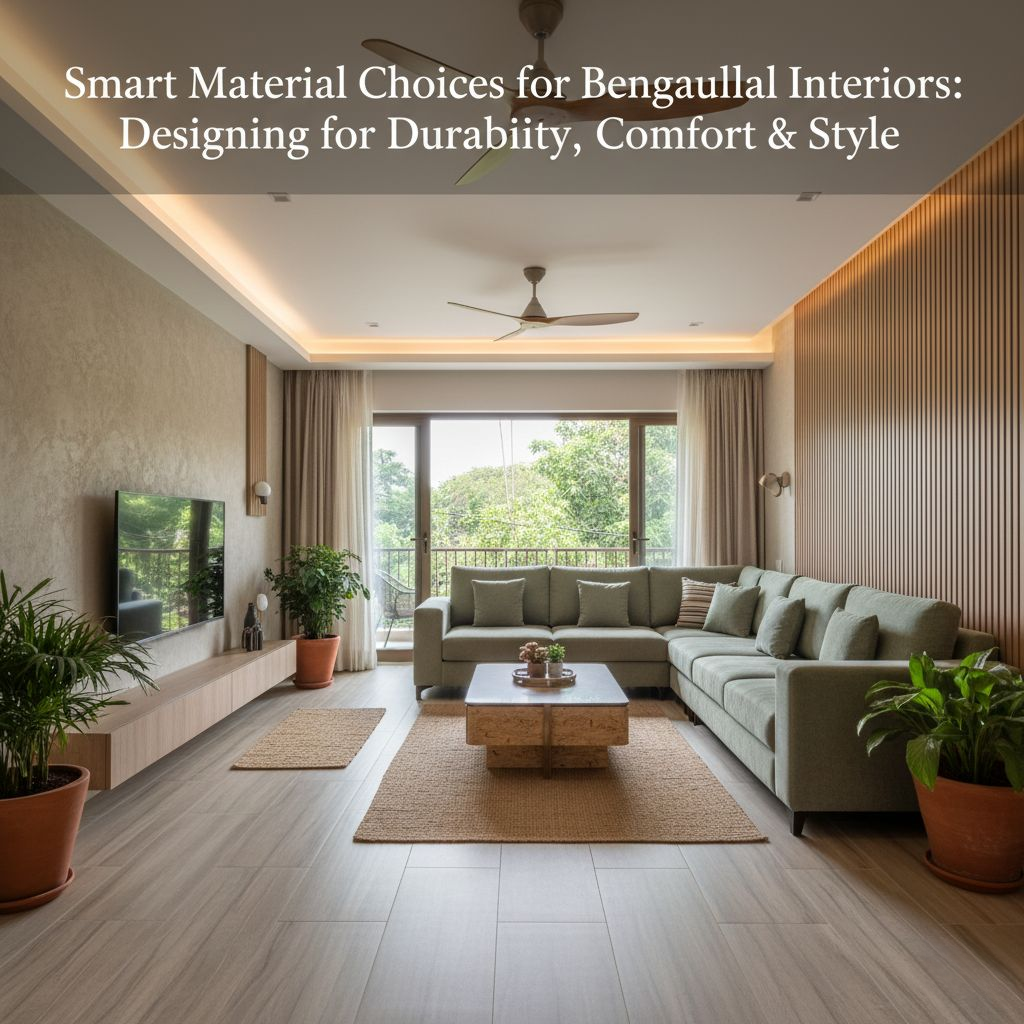
Smart Material Choices for Bengaluru Interiors: Designing for Durability, Comfort & Style Smart Material Choices for Bengaluru Interiors In a tropical city like Bengaluru, interior design isn’t just about beauty — it’s about comfort, climate, and longevity. The warm summers, high humidity, and seasonal rains all influence how your home ages and feels over time. That’s why smart material selection is at the heart of every successful interior project. The right surfaces, fabrics, and finishes not only look elegant but also perform well in Bengaluru’s weather. At Build Arch, we focus on creating interiors that are both durable and delightful. Whether it’s choosing moisture-resistant plywood for kitchens, breathable fabrics for upholstery, or eco-friendly paints that reflect heat — every material decision matters. This 2025 guide explores the most reliable and stylish interior materials for Bengaluru homes, helping you design spaces that stay beautiful for years. Why Smart Material Selection Matters in Bengaluru Homes Bengaluru’s tropical-moderate climate poses specific design challenges: Humidity & monsoon moisture can warp wood and damage finishes. Dust and temperature shifts affect flooring and wall coatings. Sun exposure can fade color and dull laminates. Choosing the right materials ensures: Longer life of furniture and finishes. Reduced maintenance and repair costs. Better comfort — cooler in summer, cozy in winter. Aesthetic consistency over time. Modern interiors are not just about trendy looks; they are about climate-smart durability and comfort. Key Material Trends for Bengaluru Interiors in 2025 1. Engineered Wood over Solid Wood Engineered wood is now the preferred option for cabinets and wardrobes. It resists swelling and cracking caused by humidity and offers the same warmth as natural wood — at a lower cost.Popular choices: BWP plywood, HDHMR boards, and MDF with veneer finish. 2. Eco-Friendly & Low-VOC Paints Traditional paints trap heat and emit fumes. The new generation of low-VOC, heat-reflective paints enhances indoor air quality while keeping rooms cooler.Bonus: They pair beautifully with Bengaluru’s natural light. 3. Quartz and Sintered Stone Countertops For kitchens and bathrooms, quartz and sintered stone outperform granite or marble. They’re stain-resistant, easy to clean, and come in many modern textures. Perfect for tropical homes. 4. Breathable Natural Fabrics Replace synthetics with cotton, linen, and jute for curtains, cushions, and upholstery. These fabrics promote ventilation, absorb humidity, and keep interiors airy. 5. Smart Floor Finishes Tiles remain popular, but homeowners are opting for anti-skid, heat-resistant, or large-format vitrified tiles that maintain a seamless look. For premium homes, engineered wood or bamboo flooring adds warmth without warping. 6. Metal & Glass Accents In 2025, designers are using matte brass, brushed steel, and tinted glass to create a balanced blend of luxury and minimalism. These materials are durable and easy to maintain. Material Planning: Room-by-Room Guide Living Room Flooring: Large vitrified tiles or bamboo flooring for comfort and low heat absorption. Walls: Textured lime plaster or low-VOC emulsion. Furniture: Engineered wood with veneer or matte laminate. Soft Furnishings: Linen drapes and cotton upholstery. Kitchen Cabinets: BWP plywood or HDHMR boards with acrylic or laminate finish. Countertop: Quartz or sintered stone for stain resistance. Backsplash: Ceramic or glass tiles for easy maintenance. Flooring: Anti-skid vitrified tiles or SPC vinyl flooring. Bedroom Wardrobes: Plywood with PU finish or textured laminate. Walls: Pastel shades with eco-friendly paints. Flooring: Wooden or bamboo planks for warmth. Decor: Natural fabrics and mood lighting. Bathrooms Walls & Floors: Anti-slip tiles or stone-textured porcelain. Vanity Tops: Quartz, Corian, or granite. Fixtures: Chrome or brushed brass for longevity. Balcony & Outdoor Flooring: Deck wood, weather-proof tiles, or textured stone. Railing: Powder-coated metal or toughened glass. Furniture: Wicker or treated wood for moisture resistance. Sustainable Materials Shaping 2025 Interiors Sustainability isn’t just a trend — it’s becoming essential in Bengaluru’s eco-conscious lifestyle.Key sustainable materials to consider: Bamboo: Fast-renewable and strong; great for furniture and panels. Reclaimed Wood: Adds character and reduces deforestation. Cork: Naturally insulating, perfect for flooring. Recycled Metal & Glass: Ideal for accent furniture and partitions. Solar-reflective Roof Paints: Keep upper floors cooler and reduce AC usage. At Build Arch, our design ethos blends sustainability with luxury — every project aims to minimize carbon impact while maximizing aesthetic appeal. Balancing Comfort & Style in Tropical Interiors Smart interiors don’t sacrifice beauty for practicality. The goal is to combine texture, tone, and temperature balance.Here’s how: Use earthy tones like beige, sage, and warm grey to keep interiors naturally bright. Choose matte over glossy finishes to prevent glare and heat absorption. Add indoor greenery — bamboo palms, money plants, and ferns enhance air quality. Integrate smart automation — automated blinds, climate control, and lighting create comfort and energy efficiency. When design and material selection align, the result is a home that looks luxurious and Popular Bengaluru Localities Embracing Smart Interiors Bengaluru’s top neighborhoods are redefining material trends based on lifestyle: Whitefield & Sarjapur: Modern minimalist interiors using quartz, matte laminates, and neutral palettes. Indiranagar & Koramangala: Chic, contemporary homes with sustainable finishes and custom furniture. Devanahalli & North Bengaluru: Villas featuring bamboo, natural stone, and earthy aesthetics. JP Nagar & HSR Layout: Mix of premium finishes — marble floors, smart lighting, and textured walls. These areas showcase how local preferences blend global design sensibilities with Bengaluru’s tropical practicality. Cost Guide: Material Finishes for 2025 Interiors Category Price Range (per sq.ft.) Features Standard Finishes ₹1,800 – ₹2,500 Basic laminates, standard tiles, emulsion paints Premium Finishes ₹2,800 – ₹3,800 Engineered wood, quartz counters, designer lighting Luxury Finishes ₹4,000 – ₹6,000+ Imported laminates, automation, eco-stone, custom furniture Smart materials might cost slightly more initially, but they last longer and require less maintenance, saving money over time. How Build Arch Helps You Choose the Right Materials At Build Arch, our design process begins with climate-based planning. We study sunlight, airflow, and humidity levels before recommending finishes.Here’s what sets us apart: Material curation: We source from trusted brands with proven performance in Bengaluru’s weather. Visual mock-ups: You can see and feel textures before final selection. Sustainable focus: We prioritize eco-friendly and low-maintenance materials. Budget optimization: We balance

“How Much Does Premium Interior Design Cost in Bengaluru (Per Sq. Ft.)?”
Budget House, House Plan

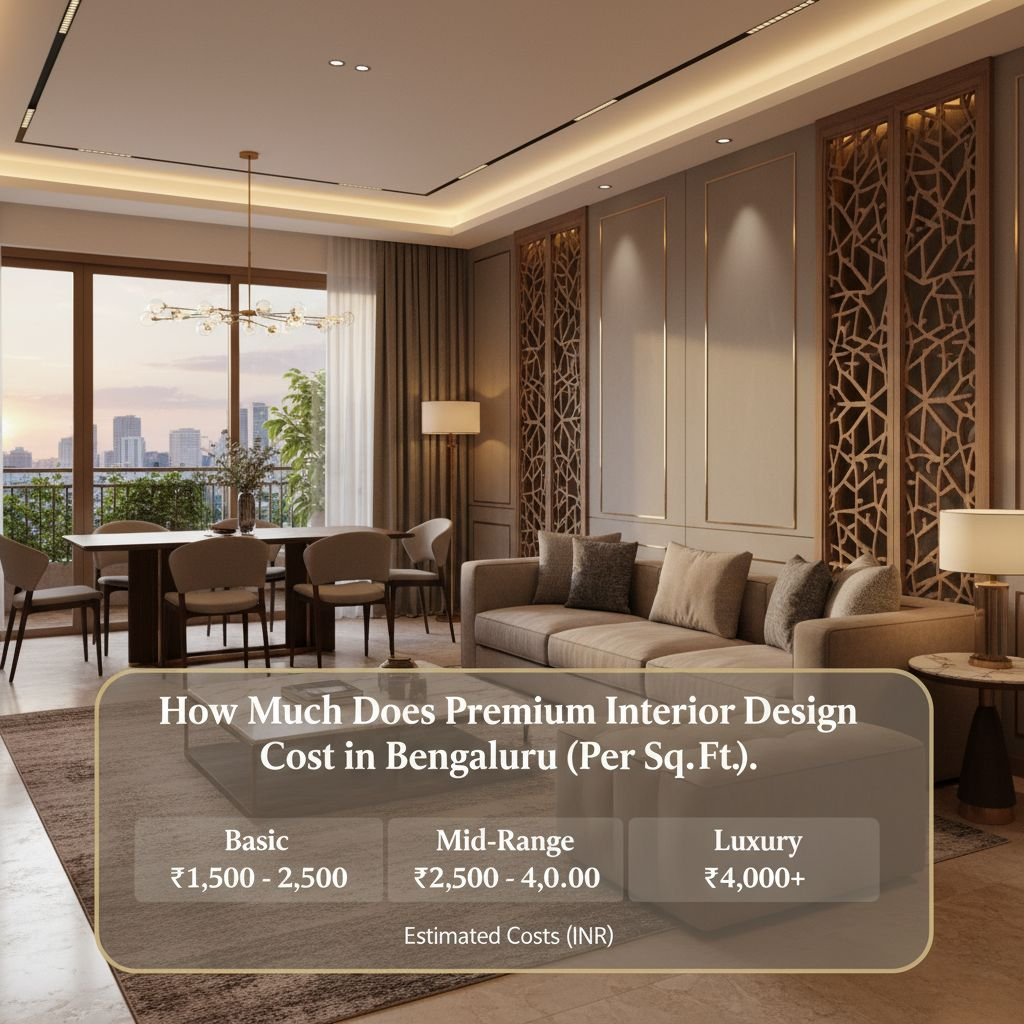
How Much Does Premium Interior Design Cost in Bengaluru (Per Sq. Ft.)?

“How Much Does Premium Interior Design Cost in Bengaluru (Per Sq. Ft.)?” How Much Does Premium Interior Design Cost in Bengaluru (Per Sq. Ft.)? Understanding What Drives Interior Design Costs in Bengaluru When planning your dream home, one of the first questions that comes to mind is — “How much does premium interior design cost per square foot in Bengaluru?” Bengaluru, known for its modern homes and cosmopolitan lifestyle, has seen a sharp rise in demand for premium interiors that combine functionality with luxury. But the cost can vary widely based on your requirements, materials, finishes, and design complexity. In this detailed guide, we’ll break down everything you need to know about premium interior design costs in Bengaluru, what influences the pricing, and how you can make the most of your investment. Average Cost per Square Foot for Premium Interiors in Bengaluru For a premium interior design project in Bengaluru, the average cost ranges from ₹2,000 to ₹3,500 per sq. ft. Here’s a quick overview based on design category: Type of Interior Average Cost (per sq. ft.) Description Basic Interiors ₹1,200 – ₹1,800 Functional design with standard finishes Premium Interiors ₹2,000 – ₹3,500 High-end materials, custom furniture, branded fittings Luxury Interiors ₹3,500 – ₹5,000+ Imported finishes, automation, bespoke furniture The “per square foot” cost usually includes modular furniture, wardrobes, false ceiling, lighting, and finishes. However, luxury features like home automation or imported marble are typically extra. What Influences the Interior Design Cost per Sq. Ft. a. Size of the Space Larger spaces often have a lower cost per sq. ft. because certain fixed expenses (like design fees or labor setup) spread across more area. Smaller apartments can cost slightly more per foot due to detailing. b. Scope of Work A full turnkey project that includes design + materials + execution will cost more than design-only services. c. Material Selection Materials like solid wood, high-gloss laminates, quartz countertops, and branded hardware increase the total cost. d. Finish Type Premium projects typically include PU finish, veneer polish, or acrylic laminates, which are costlier but more durable and elegant than regular laminates. e. Design Complexity Unique elements like fluted panels, hidden storage, or curved furniture require skilled craftsmanship and increase labor cost. f. Brand and Experience Reputed interior design firms like BuildArch Interiors use quality materials, 3D visualization, and transparent costing — ensuring lasting results and clear pricing. Cost Breakdown by Interior Elements Modular Kitchen Premium range: ₹1,200 to ₹2,500 per sq. ft. Uses: Marine plywood, quartz/granite countertop, branded fittings (Hettich, Hafele, Blum). Wardrobes Premium range: ₹1,000 to ₹1,800 per sq. ft. Finishes: Acrylic, PU, or veneer with soft-close mechanisms. False Ceiling ₹120 to ₹200 per sq. ft. depending on design complexity and lighting. Lighting ₹25,000 – ₹1,00,000+ (for the entire home, depending on brand and ambience required). Painting & Wall Finishes ₹30 – ₹80 per sq. ft. for high-quality paints or textures. Furniture & Decor ₹1,50,000+ (for premium furniture in living and bedrooms). Material and Finish Options for Premium Interiors Choosing the right material defines both the aesthetic and longevity of your home interiors. Element Recommended Material Finish Type Cabinets Marine plywood, MDF Acrylic / PU Countertops Quartz, Granite Matte / Gloss Wardrobes Plywood, Veneer PU Polish Walls Emulsion / Wallpaper Satin / Textured Flooring Vitrified / Wood / Marble Matte / Semi-gloss Premium Interior Trends in Bengaluru Homes Bengaluru homeowners are leaning toward contemporary tropical and minimal luxury themes. Here are a few trends influencing premium design costs: Natural Finishes: Veneer, bamboo, and cane furniture. Smart Lighting: Voice-controlled lighting systems. Modular + Bespoke Fusion: Mix of ready units with handcrafted elements. Sustainable Choices: Eco-friendly paints, bamboo flooring. Open Layouts: Seamless integration of living and dining spaces. How BuildArch Interiors Ensures Value for Every Square Foot At BuildArch Interiors, we believe premium design doesn’t have to be overpriced — it has to be personalized, durable, and transparent. Our team focuses on: Detailed 3D design concepts before execution. Material selection that balances luxury and practicality. Complete turnkey execution — from design to delivery. Transparent costing with no hidden charges. This means when you invest ₹2,000–₹3,500 per sq. ft., you get top-tier design, quality materials, and flawless finish — built to last in Bengaluru’s tropical climate. Cost Optimization Tips for Homeowners Even premium interiors can be budget-smart with the right choices: ✅ Choose modular furniture for storage-heavy areas.✅ Opt for veneers instead of solid wood — same look, lower cost.✅ Use accent lighting strategically instead of expensive fixtures everywhere.✅ Combine paint + texture walls to reduce wallpaper costs.✅ Plan in-built wardrobes and TV units during construction to save later. Hidden Costs to Watch Out For Homeowners often overlook these while budgeting: Civil modifications (removing walls, extending areas) Electrical rewiring and concealed conduits False ceiling lights and drivers Delivery, logistics, and installation costs GST (18%) A reputed firm like BuildArch Interiors gives you a complete estimate upfront, ensuring you stay on budget and avoid surprises. Example: 3BHK Premium Interior Cost in Bengaluru Let’s say you have a 3BHK home of 1,500 sq. ft.Here’s how the approximate budget looks: Work Item Cost Range Modular Kitchen ₹2.5 – ₹3.5 Lakhs Wardrobes (3 Rooms) ₹4 – ₹5 Lakhs False Ceiling ₹1.5 – ₹2 Lakhs Painting & Lighting ₹1.5 – ₹2 Lakhs Furniture & Decor ₹2.5 – ₹3.5 Lakhs Total (Turnkey) ₹12 – ₹15 Lakhs (₹2,000–₹2,500 per sq. ft.) FAQs on Premium Interior Design Cost in Bengaluru What is the minimum cost per sq. ft. for premium interiors in Bengaluru? The minimum cost starts around ₹2,000 per sq. ft. and goes up depending on materials and finishes. Does the per sq. ft. cost include design and labor? Yes, in turnkey projects it includes design, materials, fabrication, and installation. How long does it take to complete a premium 3BHK project? Typically 8–12 weeks, depending on design complexity and approvals. Can I customize materials within the same budget range? Absolutely. BuildArch offers modular customization — choose materials that match your budget and style. How do I ensure I’m not overcharged?

Best Materials & Finishes for Tropical Interiors: A Guide for Bengaluru Homes
Budget House

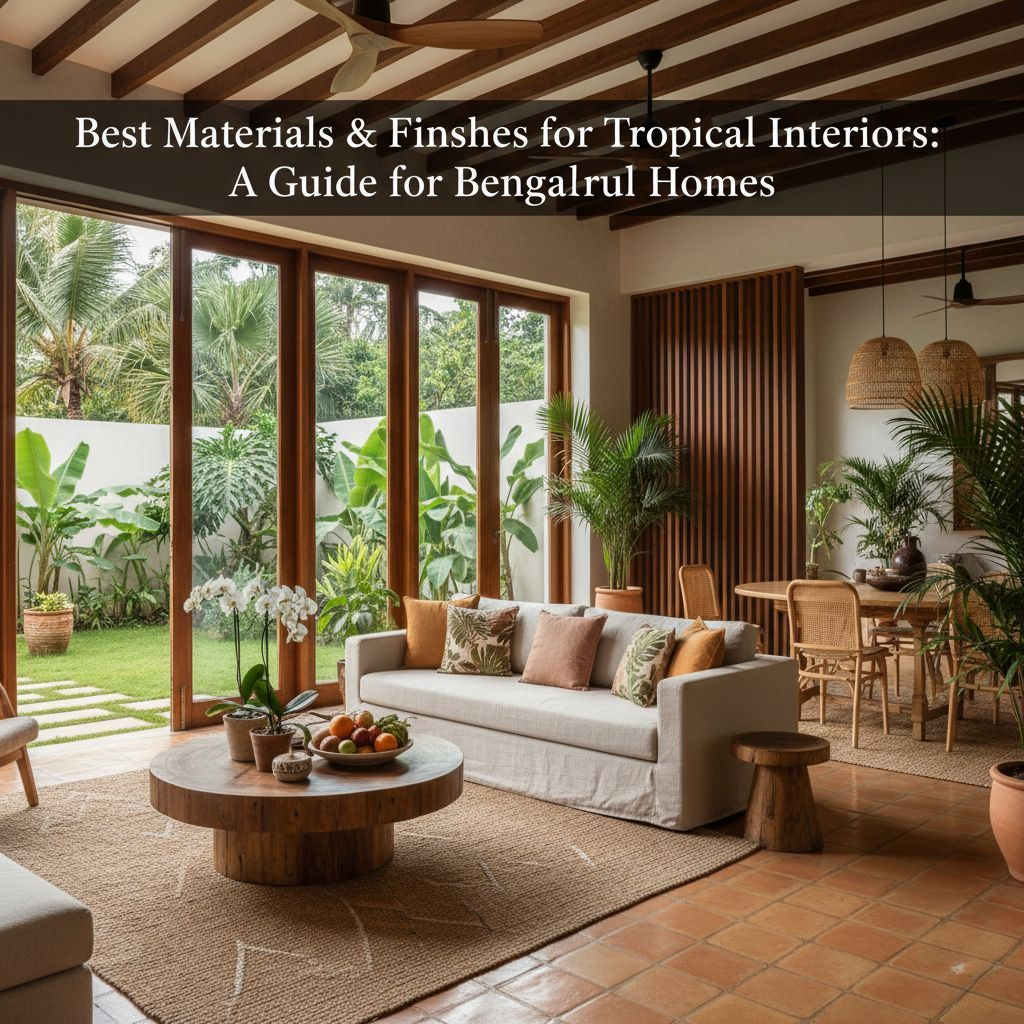
Best Materials & Finishes for Tropical Interiors: A Guide for Bengaluru Homes

Best Materials & Finishes for Tropical Interiors: A Guide for Bengaluru Homes Best Materials & Finishes for Tropical Interiors Designing a home in a tropical city like Bengaluru is all about creating a space that stays cool, natural, and elegant throughout the year. The city’s warm, humid climate demands thoughtful choices when it comes to materials and finishes — ones that can handle moisture, resist wear, and still look stunning. In this guide on the best materials & finishes for tropical interiors, we’ll explore how to design a home that reflects Bengaluru’s charm — combining comfort, durability, and timeless tropical aesthetics. Choosing the Right Flooring for Tropical Interiors Natural Stone for Cool Elegance When it comes to flooring, natural stones like granite, kota, or slate work beautifully in tropical climates. They stay cool underfoot and resist humidity — perfect for Bengaluru homes. Granite: Durable, water-resistant, and easy to maintain. Kota Stone: Naturally cool and non-slippery, ideal for living areas. Slate: Adds a rustic charm with unique textures and tones. Vitrified or Ceramic Tiles for Easy Maintenance For a modern tropical aesthetic, matte-finish vitrified or ceramic tiles are a practical choice. They don’t absorb moisture easily and can mimic natural textures like wood or stone. Pro Tip: Choose light or earthy tones to keep interiors bright and airy. Walls & Paint Finishes Suitable for Tropical Weather Moisture-Resistant Paints Bengaluru’s monsoon humidity can cause damp patches on walls. Use moisture-resistant emulsions or anti-fungal paints to protect your walls and maintain a fresh look. Recommended finishes: Satin or Eggshell finish for living spaces (adds soft sheen). Matte finish for bedrooms (reduces glare). Natural Wall Textures For a tropical feel, skip synthetic wallpapers. Go for lime plaster, terracotta tiles, or cane panels. These materials breathe well and blend beautifully with greenery and natural light. Furniture Materials That Withstand Bengaluru’s Climate Solid Wood for Timeless Appeal Teak, Sheesham, and Acacia wood are the best picks for Bengaluru homes. They handle humidity better than engineered woods and age gracefully. Maintenance tip: Apply linseed oil or beeswax polish yearly to retain shine and prevent cracking. Rattan, Cane, and Bamboo for a Breezy Vibe Light, eco-friendly, and stylish — these are perfect for a tropical Bohemian aesthetic. Use them for chairs, partitions, and light fixtures to keep spaces airy. Cane: Lightweight and versatile Rattan: Ideal for furniture and pendant lamps Bamboo: Strong and sustainable Windows, Curtains & Soft Furnishings Natural Fabrics Are Key Go for cotton, linen, or jute blends for curtains, cushions, and upholstery. These materials allow airflow, dry quickly, and give a soft tropical touch. Avoid synthetic fabrics like polyester — they trap heat and moisture. Light Colors & Sheer Drapes Soft beige, off-white, mint, and sandy tones reflect light, keeping rooms cool. Combine sheer curtains with wooden blinds to control light and privacy. Finishing Touches for a Tropical Aesthetic Bringing Nature Indoors The charm of tropical interiors in Bengaluru lies in their organic and relaxing vibe. Focus on textures, greenery, and natural light to make your home truly refreshing. 🌤️ 1. Natural Light & Cross Ventilation Use large windows and sheer curtains. Encourage airflow to reduce humidity. 🌿 2. Greenery Indoors Add plants like Areca Palm, Money Plant, or Peace Lily. Improves air quality and complements tropical themes. 🪴 3. Natural Fiber Décor Use jute, coir, and rattan for rugs, lampshades, and baskets. Enhances sustainability and tropical charm. 💡 4. Ceiling Fans & Warm Lighting Choose fans with wooden blades for a cozy, natural touch. Opt for warm white lights (2700–3000K) for an inviting glow.   Sustainable Materials for Eco-Friendly Living In tropical cities, sustainability isn’t just a trend — it’s a necessity. Choose eco-conscious materials that are locally sourced and biodegradable.      Top Sustainable Options: Bamboo flooring & furniture – renewable and strong Cork or coir mats – natural and anti-fungal Clay or terracotta tiles – regulate temperature naturally Recycled wood panels – give a rustic, tropical charm Maintenance Tips for Tropical Interiors A tropical home stays beautiful only when it’s well-maintained. Regular cleaning and moisture control are key. Tips: Use dehumidifiers during monsoon months. Wipe furniture regularly with dry cloths. Avoid wall-to-wall carpeting; use washable rugs. Keep windows slightly open to prevent mold. Color Palette & Finishes for Bengaluru Homes Tropical interiors celebrate warmth and vibrancy. Choose earthy and natural tones that complement your materials and furniture. Recommended Colors: Walls: Off-white, sea green, sandy beige, soft peach Wood finishes: Natural teak, honey brown, light oak Accents: Olive, turquoise, or terracotta   Quick Recap: Top Material Picks Category Best Material Why It Works Flooring Granite, Kota, Vitrified Tiles Cool, durable, low maintenance Walls Lime plaster, Moisture-resistant paints Breathable, anti-fungal Furniture Teak, Rattan, Bamboo Natural and humidity-resistant Fabrics Cotton, Linen, Jute Breathable and tropical-friendly Decor Jute, Coir, Clay Eco-friendly, adds warmth FAQs on Best Materials & Finishes for Tropical Interiors What are the best flooring materials for tropical interiors in Bengaluru? Granite, Kota stone, and vitrified tiles are ideal. They stay cool, resist moisture, and are easy to clean. How can I protect wooden furniture in humid weather? Apply natural oils like linseed or beeswax polish yearly and ensure proper ventilation to prevent moisture damage. What colors work best for tropical-themed interiors? Light, earthy, and pastel shades like beige, mint, and sea green reflect light and create a fresh atmosphere. What finishes should I use for walls in humid climates? Moisture-resistant paints or lime plasters are best — they prevent mold and maintain a smooth finish. Granite, Kota stone, and vitrified tiles are ideal. They stay cool, resist moisture, and are easy to clean. Apply natural oils like linseed or beeswax polish yearly and ensure proper ventilation to prevent moisture damage. Light, earthy, and pastel shades like beige, mint, and sea green reflect light and create a fresh atmosphere. Moisture-resistant paints or lime plasters are best — they prevent mold and maintain a smooth finish. Conclusion Designing tropical interiors in Bengaluru is about balance — embracing nature while keeping your home cool and

Scroll to Top